Course Outline
This upper division course is aimed at developing students’ existing abilities and interest in drawing. We will examine drawing from a personal perspective and as an academic-historical subject. To this end, students will take on board issues brought to light through the readings distributed during the semester, and explore them via in-class critiques, along with Canvas-based discussions. Additionally, students will engage in discussions of each other’s work through bi-weekly presentations and all class critiques.
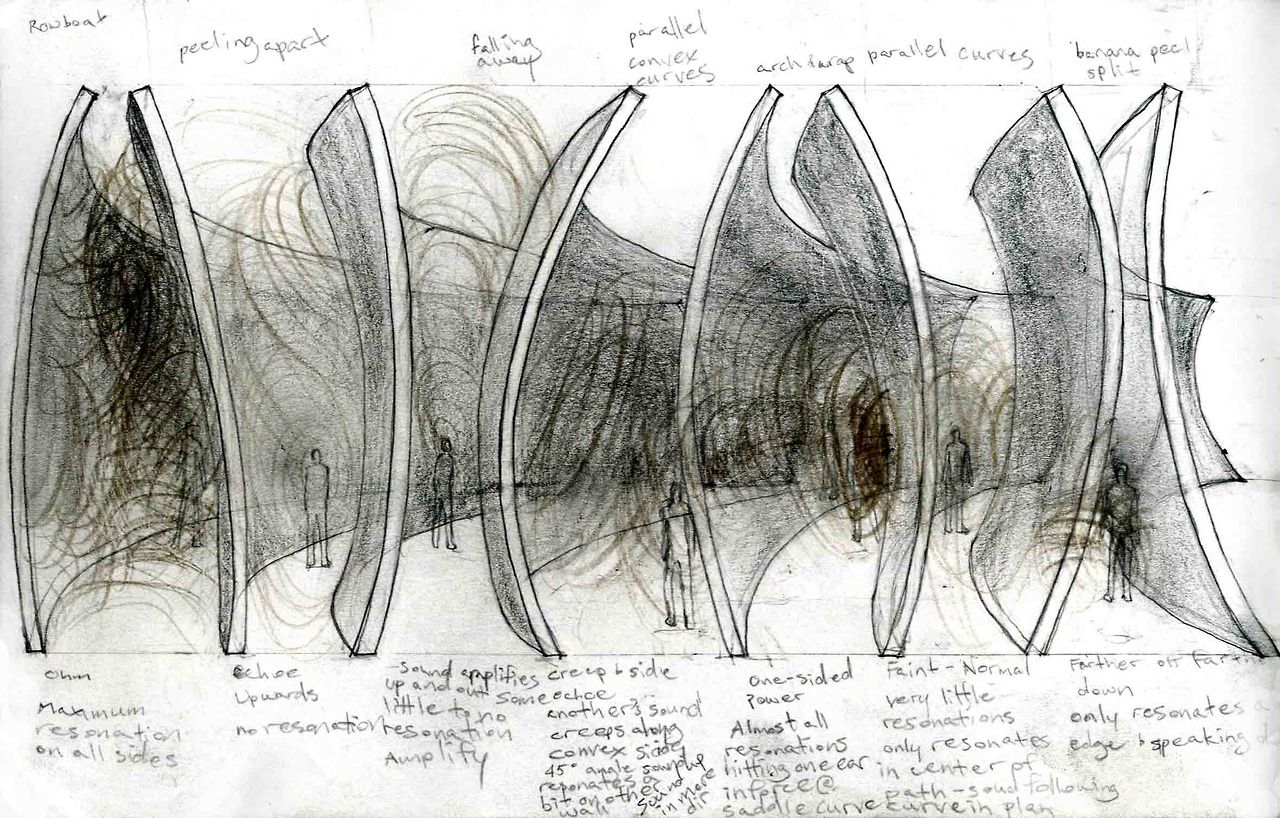
[Artist, Title, Year]. Graphite and colored pencil with handwritten notes. [confirm caption]
This course will combine seminar-style discussion with studio time. We will discuss ideas brought up in readings and use processes of critique to evaluate the positions of the author and each other. Similarly, students’ works will be critiqued in process and all students will have the opportunity to benefit from both sides of this process. The course will include visits to local museums and/or galleries.
Format
How the course runs. The class meets twice a week, and the two sessions are different. Tuesdays are Analysis: an illustrated mini-lecture, a discussion of the week’s reading, and critique. Thursdays are Practice: we draw. For the first six weeks each Thursday is a structured exercise, described below, in which you learn a drawing concept, a tool and a surface together. Once the projects begin, Thursdays become studio sessions, and I work with you one to one at your drawing board.
Drawing is learned by drawing. The skills come first in this course and the ideas follow, which is why the exercises come before the projects. The projects then ask you to use what the exercises taught you to make drawings of your own. Because skill comes from repetition, you will draw outside of class every week.
The sketchbook. Your sketchbook is the place where you think on paper. It holds observational drawing, plans for projects, tests of tools and papers, notes on the readings, and anything you paste in that caught your eye. I will look through it in each studio session, so that I can follow your progress, give you feedback and point you to artists and references. It contributes to your grade, and it is where failed drawings belong. Keep them.
Homework. Homework comes in two kinds. Academic homework is reading, with a question or task to answer on Canvas before the Tuesday discussion. Creative homework is drawing: at first it extends the exercise, and as the semester goes on it becomes your own research for the projects.
Reading and discussion. Readings are required. Drawing has a long history, and artists argue about it now as they always have, so a course in drawing is also a course in looking at, and talking about, other people’s drawings. I don’t expect you to arrive knowing the history or the theory. I do expect a real effort with the readings, and that you come to Tuesday ready to talk about them.