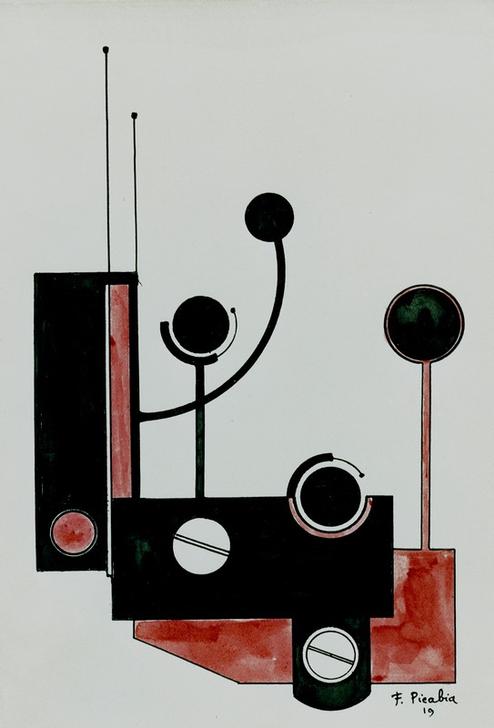
In the core curriculum, students will analyze, interpret and critique works of art, considering the role of formal methods and techniques, and historical contexts. In addition to intellectual engagement with the arts, students will also creatively engage with the arts through practice.
Learning Outcomes
- Create a self-directed, self-selected drawing project with a coherent concept;
- Develop effective project organization with the use of an appropriate method and a clear sense of audience;
- Draw from observation and from memory, demonstrating an understanding of line, tone, proportion and space, and identify technical weaknesses and work towards the refinement of technique in drawing;
- Move between observation and imagination, using drawing to invent as well as to record;
- Write a concise concept statement to rationalize artwork made;
- Understand more fully the effect of different drawing tools and surfaces within any artwork made through experimentation;
- Participate in group critique by contributing productive, constructive critical commentary focused on the conceptual premise and technical quality of peer artwork;
- Produce a body of drawings that show evidence of effort, progress, and creativity.
Course Objectives
- Exhibit knowledge and use of discipline-specific vocabulary (for example contour, gesture, cross-contour, hatching, chiaroscuro, sfumato, tenebrism, notan, frottage, automatism);
- Gain the ability to engage an artmaking process that spans the conceptual and practical;
- Greatly increase knowledge of the history of drawing through assignments and lectures on the interconnections between artists and drawings over the centuries;
- Gain fluency with a range of drawing tools (graphite, colored pencil, ballpoint pen, water-soluble graphite, conté, pen/brush and ink) and surfaces (papers of varying weight, color and texture, toned and black papers, wood panel, canvas, and found materials);
- Appreciate the educative value of risk-taking and failure in a creative discipline;
- Gain the confidence of expression both within drawing practice and critique;
- Fully grasp how and why artworks are reflected in art theory, & why theory comes after art.